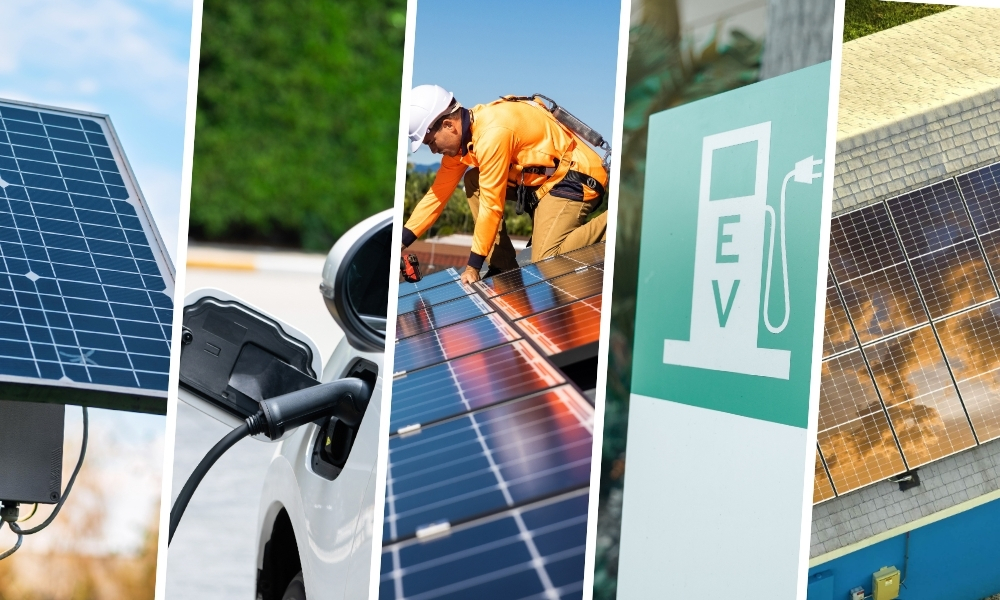
Electric vehicle chargers and solar installations are becoming increasingly common features on commercial and residential properties alike. For many property owners, they represent smart investments in sustainability, tenant appeal, and long-term operating costs. But there’s an insurance dimension to these improvements that is often overlooked until it becomes a problem.
Insurance carriers are already adjusting their underwriting guidelines in response to the growing adoption of EV and solar infrastructure. If you own or manage properties where these improvements are planned or already in place, this is worth understanding before your next renewal.
Why Insurers Are Paying Closer Attention
Insurance underwriting tends to evolve ahead of broader market adoption. Carriers study emerging risks early and begin adjusting their guidelines before most property owners are even aware a change is coming. That’s exactly what’s happening now with EV chargers and solar installations.
These technologies introduce new risk considerations that traditional property policies weren’t designed around — including electrical system load, fire risk associated with lithium-ion batteries, equipment liability, and the complexity of solar panel installations on roofs. As these features become more common, insurers are taking a closer look at how they’re installed, maintained, and documented.
This doesn’t mean insurers won’t cover properties with EV chargers or solar panels — most will. But the requirements are becoming more specific.
What’s Changing in the Underwriting Process
Property owners are already seeing changes at renewal and during new policy applications. Here’s what it looks like in practice:
-
More detailed underwriting questions. Carriers are asking specifically about the presence of EV charging stations and solar installations, the type and number of units installed, who installed them, and whether permits were obtained.
-
Post-binding inspection requirements. Some carriers require physical inspections after a policy is bound to confirm that EV and solar infrastructure meet their standards.
-
Signage requirements. Proper EV signage — including safety notices and charging station identification — is increasingly being listed as a specific underwriting requirement. Missing or non-compliant signage can create issues during inspections or after a claim.
-
Documentation of installation quality. Insurers want to see that the equipment was professionally installed, permitted, and up to code. Unpermitted or DIY installations are a red flag.
The takeaway for property owners: what used to be a footnote in the underwriting process is becoming a primary consideration. Being prepared with accurate information and proper documentation makes a meaningful difference.
What This Means for Your Properties
If you currently have EV chargers or solar installations on any of your properties, now is a good time to confirm the following:
-
All installations were professionally completed and properly permitted
-
Required signage is in place and meets any applicable local or carrier requirements
-
Your current policy accurately reflects these features — undisclosed improvements can create coverage gaps
-
Your agent is aware of any planned additions or upgrades before they happen
If you’re planning to add EV charging stations or solar panels to a property in the future, looping in your insurance advisor early — before installation begins — is the best way to avoid surprises. Coverage requirements and available carriers can vary based on property type, installation specifics, and your overall risk profile.
A Local Development Worth Watching
EV adoption isn’t a distant trend — it’s already arriving in our area. There are indications that Tesla, Inc. is actively exploring locations in the Tiffin and North Liberty area for a facility, which would likely accelerate demand for EV infrastructure across nearby commercial and residential properties.
For property owners in and around that corridor, this is relevant for a few reasons. An influx of EV drivers in the area typically creates tenant and customer demand for charging access. Properties that offer EV charging may see a competitive advantage — but only if that infrastructure is properly in place from both an operational and insurance standpoint.
Planning ahead now, before that demand peaks, puts you in a stronger position than reacting to it after the fact.
Key Questions to Discuss With Your Agent
Whether you’re a current property owner evaluating your existing coverage or a developer planning future projects, here are the questions worth raising with your insurance advisor:
-
Does my current policy specifically address EV charging equipment and solar installations?
-
Are there coverage limitations or exclusions I should be aware of?
-
What documentation should I maintain related to installation and inspections?
-
How will adding EV or solar infrastructure affect my premium or renewal terms?
-
Are there carriers that are particularly well-suited for properties with this type of infrastructure?
Having clear answers in advance is always better than discovering gaps when it matters most.
Let’s Talk Through What This Means for Your Properties
The insurance landscape around EV and solar infrastructure is still evolving, and we’re staying ahead of it so our clients don’t have to navigate it alone. Whether you’re in the planning stages of adding EV chargers, already have solar panels installed, or simply want to understand how these trends could affect your coverage going forward, we’re happy to walk through it with you.
Reach out today to schedule a conversation. A proactive review now is far easier than addressing a coverage gap after the fact.
The post What Property Owners Need to Know About EV Chargers, Solar, and Insurance appeared first on The Accel Group.